
Does Buddhism Say No to Pleasure?

No, Buddhism does not say you cannot enjoy good things. Many people think that to follow Buddhist ideas, you must give up all happiness, comfort, and fun things in life to find inner peace. This is not true. The Buddha's main point was never about avoiding pleasure itself, but about not becoming too attached to it.
As long as we live in human bodies, our senses will always experience the world around us. Enjoying a delicious meal, feeling warm sunshine, or seeing a beautiful sunset are normal parts of being human. Our senses are just doing what they naturally do. Problems start not from enjoying these things, but when our minds desperately try to hold onto these good feelings forever.
This is where the idea of sensual indulgence buddhism gives us helpful guidance. It shows us how uncontrolled desires lead to mental suffering, called Dukkha. This is not about punishment or making us miserable, but simply explaining how the human mind works. When we understand this, we can enjoy life without becoming slaves to our desires.
Important points about pleasure and Buddhist practice: * Pleasure is a natural body sensation; craving is how our mind reacts to it * Trying to completely avoid pleasure leads to frustration; giving in to every desire leads to addiction * Being aware and mindful is the key to freedom, letting us enjoy good things without becoming attached
The Two Extreme Ways of Living
To understand why the Middle Way is so brilliant, we need to look at the story of Siddhartha Gautama's life. His personal experience shows us what happens when we go to extremes with desire and self-denial.
In his early life in the palace, Siddhartha had everything he could want. His father tried to protect him from the world's problems by giving him unlimited luxury. He had the best food, constant entertainment, and total comfort. But even with every desire fulfilled instantly, he felt deeply empty inside. This time proved that having unlimited pleasure does not create lasting happiness.
When Siddhartha left the palace, he went to the complete opposite extreme. During his time in the forest, he practiced severe self-punishment. He barely ate, became extremely thin, and put his body through terrible hardship. He thought that by hurting his body, he could free his spirit. Instead, this extreme approach only made him weak and sick, bringing him close to death without bringing him any closer to enlightenment.
He only found enlightenment when he gave up both extremes and discovered the Middle Way. He realized that a musical instrument cannot make beautiful music if the strings are too loose or too tight. The mind works the same way.
In Buddhist teaching, being devoted to sensual pleasure is called Kamasukhallikanuyoga. The Buddha said this devotion was low, crude, and completely unhelpful. It is the basic, automatic state of always chasing the next good feeling.
| Comparison | Living for Pleasure | Extreme Self-Denial | The Middle Way |
|---|---|---|---|
| Mindset | Always wanting and consuming | Self-hatred and strict control | Balanced awareness and presence |
| Physical Effects | Tiredness, addiction, poor health | Starvation, weakness, body damage | Good health and energy |
| Emotional Results | Worry about losing pleasure | Bitterness, frustration, exhaustion | Deep peace and calmness |
| Buddhist View | Kamasukhallikanuyoga (Unhelpful) | Attakilamathanuyoga (Harmful) | Majjhima Patipada (The Path to Awakening) |
How Desire Works
To understand why constantly giving in to desires causes suffering, we need to look at the Second Noble Truth, which says that craving is the root cause of all suffering. This changes how we think about pleasure. We stop seeing it as morally wrong and start recognizing attachment as a predictable mental trap.
Modern brain science agrees with ancient Buddhist wisdom, especially through ideas like the hedonic treadmill and dopamine tolerance. When we constantly satisfy our senses, our brain gets used to high levels of stimulation. We need stronger and stronger experiences just to feel normal. The more we indulge, the less we can enjoy simple pleasures. We run endlessly on a treadmill, wearing ourselves out but never reaching lasting satisfaction.
Ancient Buddhist philosophy describes this exact brain process through the Cycle of Dependent Origination. The basic pattern of sensual desire works like this: 1. Contact: Your eye sees something beautiful, or your tongue tastes something sweet 2. Feeling: A pleasant, neutral, or unpleasant sensation naturally arises in your nervous system 3. Craving: Your untrained mind immediately reacts to the pleasant feeling, thinking "I want more of this" or "I want this to last forever" 4. Clinging: Your mind becomes obsessed. You become anxious about getting the object or afraid of losing it 5. Suffering: Because nothing lasts forever, the object eventually fades, breaks, or is lost, causing mental pain

This brings us to the core illusion of permanence, known as Anicca. The philosophy of sensual indulgence buddhism warns us that trying to find permanent happiness through temporary physical sensations is impossible. Every sensation, no matter how wonderful, is temporary. When we build our happiness on things that are guaranteed to disappear, we are setting ourselves up for future suffering. Understanding this process is the first step to escaping the trap.
Using These Ideas in Daily Life
Understanding the Middle Way theory is interesting, but real wisdom requires putting it into practice in everyday life. How do we apply these ancient ideas to modern living without falling into mindless consumption or strict self-denial? The answer is developing deep mindfulness rather than arbitrary rules. The goal is to be fully present with pleasure, rather than mindlessly consuming it to fill an emotional emptiness.
Consider a common example. Imagine eating your favorite dessert. Often, we eat it while scrolling through social media or watching TV. We take a bite with our eyes glued to a screen, our minds completely disconnected from the eating experience. Suddenly, we look down and the plate is empty. We consumed the calories but completely missed the experience. We indulged, yet feel empty and immediately want another distraction.
Now, compare this with mindful enjoyment. We sit down with that same dessert in complete silence. We look at its appearance. We take a small bite and let it rest on our tongue, fully experiencing the sweetness, temperature, and complex flavors. We swallow, noticing the fading sensation. We put the fork down between bites. When our body signals satisfaction, we stop, even if dessert remains. We feel completely satisfied because we were entirely present. This is the Middle Way in action.
Food and Drink
We should approach eating as nourishment and mindful enjoyment. This means recognizing the subtle signals of when our body is truly full, versus when our mind simply wants more flavor. By eating slowly and with gratitude, we transform a basic biological need into a meaningful practice of awareness.
Digital Entertainment
Modern society has created the ultimate form of Kamasukhallikanuyoga through endless social media scrolling and algorithmic entertainment. It is an infinite stream of novelty designed to hijack our brain's reward system. Applying the Middle Way requires setting intentional limits. We can enjoy a movie or connect with friends online, but we must actively notice when entertainment becomes mindless escapism and numbing behavior.
Relationships and Intimacy
In human connections, we must learn to tell the difference between lust, which seeks to use the other person for our own satisfaction, and loving-kindness or Metta, which seeks to connect and support. Enjoying physical intimacy is natural, but when it becomes selfish indulgence without mutual care, it creates deep emotional suffering for both people.
The Pause Technique
When a strong desire arises, whether for junk food, a digital distraction, or an impulse purchase, we can use a practical three-step guide to break the automatic reaction: 1. Stop: Freeze your physical movement the moment you notice the craving. Do not immediately reach for what you want 2. Breathe: Take three deep, intentional breaths. This calms your nervous system and moves brain activity from the reactive emotional center to the logical thinking center 3. Observe: Look at the craving objectively. Notice how it feels physically in your body. Remind yourself that this feeling is temporary and will pass, whether you give in to it or not
Self-Denial vs. Awareness
As we practice these techniques, we often encounter common myths that prevent people from exploring Buddhist philosophy. Clearing up these misunderstandings is important for building confidence in the process and understanding that practicing the Middle Way does not mean losing our humanity, personality, or ability to feel joy.
Myth: Buddhists cannot enjoy good food, beautiful art, or music. Reality: Practitioners can enjoy these things deeply and perhaps more fully than anyone else. Because they are not worried about losing the experience, they can be completely present. The difference is that they practice letting the experience go when it is over, rather than craving it again.
Myth: To be truly spiritual, we must hate our physical bodies and suppress our senses. Reality: The body is respected as a precious tool for awakening. The senses are not enemies to be destroyed; they are essential tools for staying grounded in the present moment. Mindfulness requires the senses to observe reality accurately.
Myth: The framework of sensual indulgence buddhism means if you make a mistake and overindulge, you will be spiritually punished. Reality: Karma is not a cosmic judge giving out punishments; it is simply the natural law of cause and effect. Overeating naturally causes physical discomfort. Mindless scrolling naturally causes mental fog and anxiety. Indulgence creates its own immediate consequences, not divine punishment.
We must also be careful about spiritual bypassing. This happens when people use Buddhist detachment as an intellectual excuse to avoid dealing with unresolved emotional trauma, or to become coldly disconnected from the world and their loved ones. True non-attachment is warm, engaged, and compassionate. It is the opposite of emotional numbness. We do not detach from the world; we detach from the unrealistic demands we place on the world to make us permanently happy.
Building Lasting Happiness
Ultimately, the practice of stepping off the constant cycle of sensory consumption is not about depriving ourselves. We are not emptying our lives; we are actively making room for a higher, more sustainable form of happiness. When we free ourselves from the exhausting cycle of craving and temporary pleasure, we begin to experience what Buddhist texts call Piti and Sukha.
These terms describe a deep, unshakeable joy and profound ease of mind that come from within. Unlike the brief high of a sugar rush or a new purchase, this meditative joy does not depend on external circumstances. It comes from ethical living, mental clarity, and a peaceful heart. By refusing to be dragged around by every sensory impulse, we reclaim our energy.
Navigating the landscape of sensual indulgence buddhism is a lifelong practice. It is a continuous journey of balancing on the Middle Way, requiring great patience, humor, and self-compassion. We will inevitably fall off the path, indulge mindlessly, and experience the resulting heaviness. When this happens, the practice is simply to notice it without harsh self-judgment and gently return to the center.
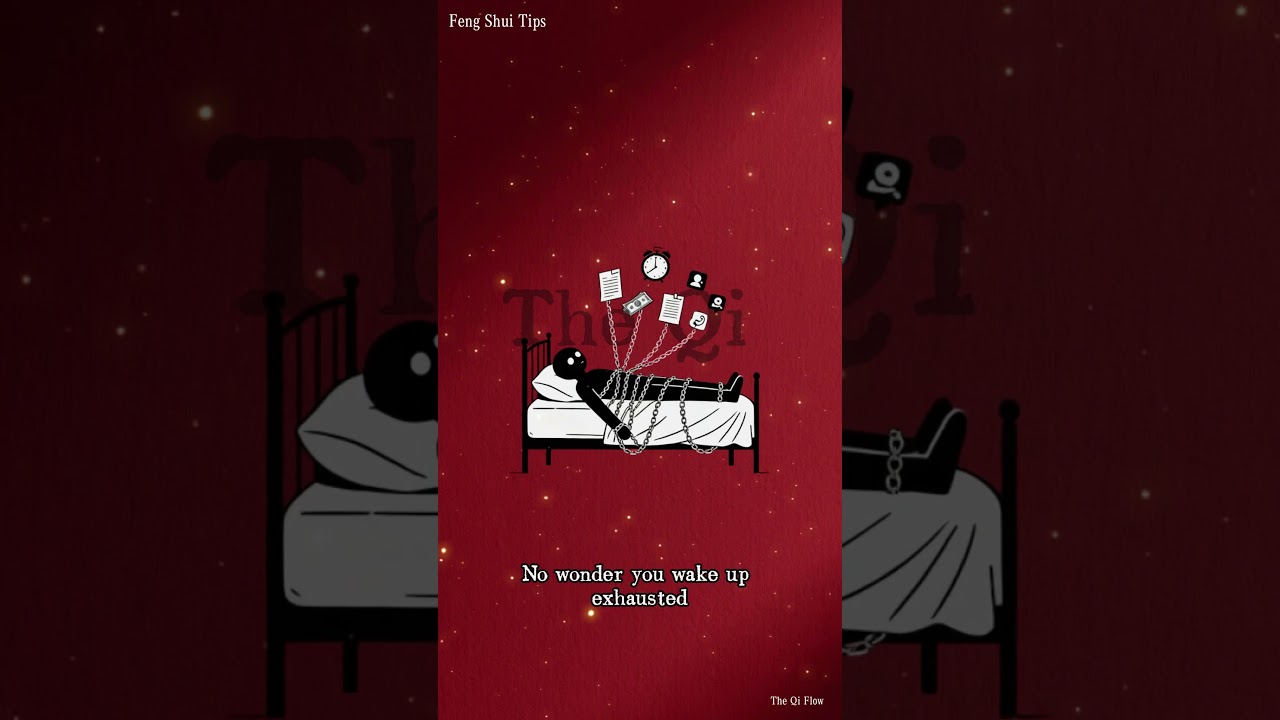
We do not need to run away from the world's beauty to find peace. The colors of the world remain bright, the flavors remain rich, and human connections remain meaningful. By systematically removing the heavy chains of attachment, anxiety, and craving, we become truly free. We become capable of genuinely appreciating the world exactly as it is: temporary, incredibly beautiful, and perfectly impermanent.
In 2027, the 5 Yellow flies north.
Every year the stars move, and your home changes with them. The 2027 almanac shows exactly where they land: the sector to activate, the four not to disturb, and the month that needs the most care. Bundled with Sifu Xion’s complete guide to reading your home.
Get the Guide + 2027 Almanac — $19






0 comments