
Your home is not merely a shelter; it is a living, breathing vessel of energy that directly correlates to your health, wealth, and relationships. In the ancient practice of Feng Shui, plants are among the most potent tools available to us. Because they are living organisms, they act as biological antennas, either conducting vibrant, life-affirming energy (Sheng Chi) or generating sharp, stagnant, or attacking energy (Sha Chi).
While the modern "urban jungle" aesthetic encourages filling every void with greenery, traditional Feng Shui wisdom teaches discernment. We are currently navigating the intense energies of Period 9, a twenty-year cycle dominated by the Fire element. In a Fire period, energy moves rapidly, visibly, and without mercy. Consequently, the placement and type of vegetation in your home are no longer just decorative choices—they are energetic triggers.
This guide moves beyond simple superstition to explain the energetic mechanics of why certain plants are classified as "unlucky" and how to harmonize your space using professional principles adapted for the specific elemental shifts of the current year.
Understanding Plant Energy: The Form School
To understand why a plant is labeled "bad luck," one must look at its form. In Feng Shui, "Form defines Energy." The physical shape of an object dictates the type of Qi it radiates into the room.
1. The Shape of Sha Chi (Killing Energy)
Sha Chi is aggressive energy that cuts or drains. Plants that embody this energy typically possess: * Thorns and Spines: These create "poison arrows"—micro-aggressive energy beams that pierce the protective aura of the room’s inhabitants. * Knife-like Leaves: Rigid, sharp leaves promote a "prickly" atmosphere, leading to tension, arguments, and a lack of compromise. * Tangled Growth: Vines that grow in chaotic, knotted patterns reflect confusion and a complicated life path.
2. The Direction of Growth
The ideal energy for a home, particularly in a Fire year where upward movement is key, is expansive and rising. * Downward/Weeping Growth: Plants that naturally droop symbolize sadness, fatigue, and a decline in fortune. They mimic the body language of someone hanging their head in grief. * Stunted Growth: Plants that are artificially restricted represent capped potential and a lack of freedom.
3. Vitality and the "Si Chi" (Dead Energy)
The most dangerous plant in Feng Shui is a dead one. * Dried and Preserved Botanicals: Dried flowers, branches, or potpourri emit Si Chi (dead energy). In Period 9, which governs the eyes, visibility, and brilliance, keeping dead matter on display creates an energetic "black hole," absorbing the vitality of the living and dulling your reputation.
The "Bad Luck" Plant List
Based on these principles, the following plants require extreme caution. They are not inherently "evil," but their energetic signatures are often too aggressive or depressive for the sanctuary of a home.
1. Cactus (Cactaceae)
The cactus is the archetypal "bad luck" plant for interiors. Its body is covered in thousands of tiny needles, sending out aggressive energy in all directions, 24 hours a day. * The Energetic Impact: Placing a cactus in the Living Room invites discord, petty arguments, and a feeling of being "on edge." In the Bedroom, it is disastrous, attacking the harmony of the couple and leading to emotional distance or "prickly" communication. * The Exception: Cacti are powerful protectors when placed outside. On a balcony or exterior windowsill, they can ward off Sha Chi coming from external structures (like a sharp roofline pointing at your house).
2. Weeping Fig (Ficus benjamina)
Despite its popularity in corporate offices, the Weeping Fig is structurally problematic for the home. * The Energetic Impact: As the name implies, the branches droop heavily downward. This creates a subconscious resonance of sorrow. Having this in the Entryway (the Mouth of Chi) causes fresh energy entering your home to immediately "slump," reducing the vitality of the entire household. For those born in the Year of the Horse, who are facing a year of self-reflection, this depressive energy should be strictly avoided.
3. Bonsai Trees
Bonsai is a revered art form, but its symbolism is contrary to the Feng Shui principle of expansion. * The Energetic Impact: A bonsai represents nature that has been bound, wired, and stunted to prevent it from reaching its full size. It symbolizes "limited growth." For entrepreneurs or career-focused individuals, keeping a bonsai in the office can subconsciously manifest as a "glass ceiling" on success or financial growth.
4. Snake Plant (Sansevieria)
Also known as "Mother-in-Law’s Tongue," this plant is controversial. While scientifically excellent for air purification, energetically it is a collection of upright knives. * The Energetic Impact: Its sharp, sword-like leaves can sever the flow of gentle Qi. It is particularly harmful in the Southeast (Wealth sector) or Southwest (Relationship sector), as it "cuts" into the luck of those areas. * The Nuance: If used for air quality, place it in the bathroom or a mudroom—transitional spaces where energy moves quickly and people do not linger.
5. Thorny Roses (Indoors)
Roses symbolize love, but their stems carry thorns—a defense mechanism. * The Energetic Impact: Displaying long-stemmed roses with thorns intact brings a "bittersweet" energy to relationships—romance that comes with pain or stinging words. * The Cure: Always strip the thorns completely before arranging them in a vase. This removes the Sha Chi while preserving the high-vibration energy of the bloom.
6. Dried Pampas Grass and Cotton Stems
A major trend in modern decor, but a major taboo in Feng Shui. * The Energetic Impact: Once a plant is dead, its Qi is gone. It becomes a static object radiating Yin (death) energy. In the vibrant Fire energy of the current cycle, dead plants create stagnation. They are particularly harmful to those born in the Year of the Rat, who are already facing a turbulent year and need life-affirming energy, not symbols of decay.
Critical Directional Taboos: The 2026 Energy Map
Even a "lucky" plant can become a source of misfortune if placed in the wrong sector during a specific year. The Flying Stars change annually, and in the Year of the Fire Horse (Bing Wu), specific directions are highly sensitive to the Wood element (plants).
The South Sector: The Danger Zone
In 2026, the South sector is the most dangerous area of the home. It houses the 5 Yellow Star (Misfortune) and the Tai Sui (Grand Duke Jupiter). * The Taboo: Do NOT place large plants, new greenery, or red flowering plants in the South this year. * The Logic: This is a sophisticated elemental interaction. The South represents Fire. The 5 Yellow Star represents Earth. Plants are Wood. * Cycle of Destruction: Wood feeds Fire. Fire produces Earth. * By placing plants (Wood) in the South, you fuel the Fire of the sector, which in turn strengthens the 5 Yellow Earth star. You are essentially feeding the misfortune star. * The Remedy: Keep the South quiet. Use metal objects (like brass bowls or a 6-coin string) to drain the Earth energy. Remove all plants from this sector immediately.
The Northwest Sector: The Illness Star
The Northwest currently hosts the 2 Black Star of Illness. * The Taboo: Avoid heavy, overgrown greenery here. * The Logic: The 2 Black is an Earth star. While Wood (plants) technically controls Earth, this "clash" can anger the star rather than suppress it, stimulating health issues related to the patriarch of the house or the lungs/respiratory system. * The Remedy: Use circular metal objects here. A copper Wu Lou (gourd) is the traditional cure.
Cultivating Positive Energy: The Best Alternatives
To harness the auspicious energy of the Period 9 Fire and the Year of the Horse, focus on plants that fuel passion, clarity, and wealth without feeding disaster.
The Southeast: The 2026 Wealth & Power Spot
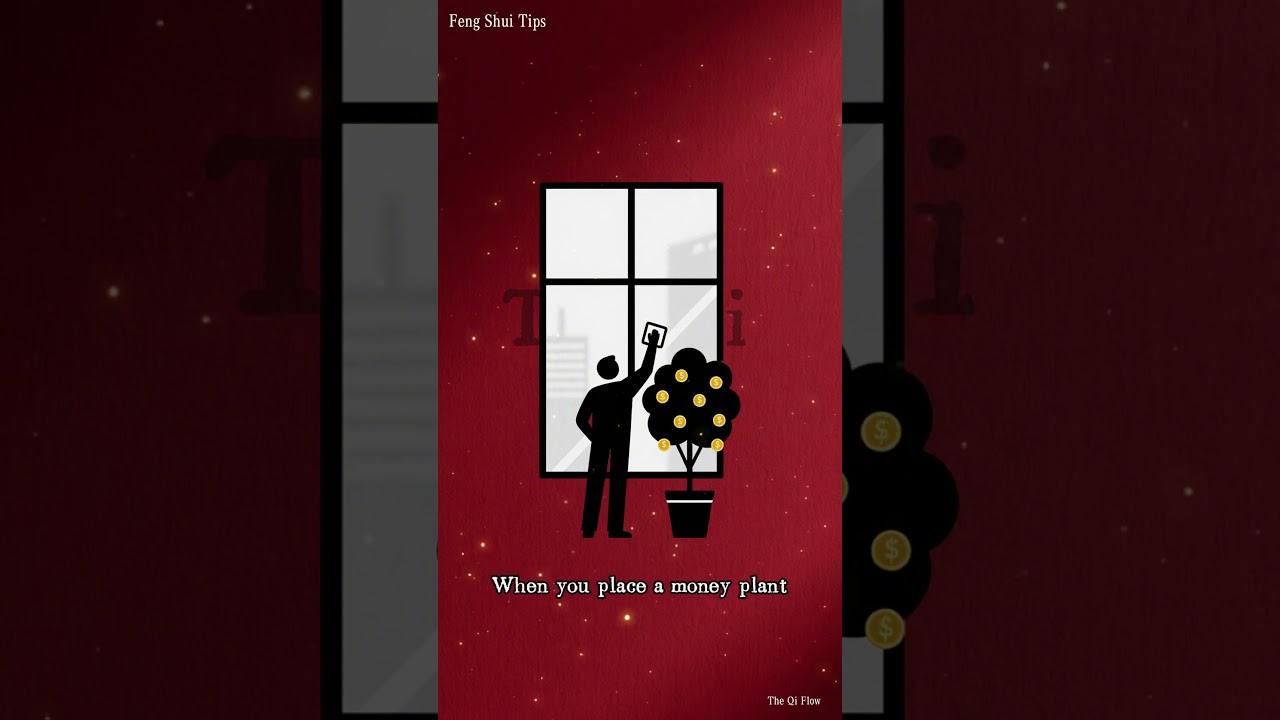
The Southeast sector is the crown jewel of the home this year. It hosts the 9 Purple Star—the ruling star of the current period. This star governs current wealth, celebration, and fame. * The Strategy: Wood feeds Fire. Since the 9 Purple is a Fire star, plants are the perfect activator here. * Best Plants: Place your healthiest, most vibrant plants in the Southeast. A Money Tree (Pachira), Jade Plant, or tall Lucky Bamboo here will ignite career success and financial growth. This is the most critical placement for the year.
The Northeast: Academic and Romance
The Northeast hosts the 4 Green Star (Scholastic and Romance). * The Strategy: The 4 Green is a Wood star. It resonates perfectly with greenery. * Best Plants: Place 4 stalks of Lucky Bamboo in water here. This activates wisdom, assists with exam luck for students, and clears the mind for writers and creatives.
The Center: Career and Connection
The Center of the home holds the 1 White Star (Victory and Peach Blossom). * The Strategy: The 1 White is a Water star. Plants (Wood) drain Water, so you must be careful not to use too much soil-based greenery here. * Best Plants: Use water-based plants, like a single stalk of bamboo in a clear glass vase, to harmonize the Water energy without blocking it.
Conclusion
Feng Shui is the art of placement and intention. While lists of "bad luck plants" can seem restrictive, they are actually guidelines to help you read the silent language of your environment. Your home is constantly speaking to you; the question is, what is it saying?
By removing sharp, dying, or downward-dragging plants—and critically, by clearing the South sector of vegetation this year—you remove the energetic obstacles blocking your path. Replace them with vibrant, upward-growing greenery in the Southeast, and you align your personal space with the cosmic flow of the Fire Horse year.
In this era of rapid change, let your home be a sanctuary of life. Choose plants that look like the energy you want to feel: healthy, soft, abundant, and reaching toward the sun.
In 2027, the 5 Yellow flies north.
Every year the stars move, and your home changes with them. The 2027 almanac shows exactly where they land: the sector to activate, the four not to disturb, and the month that needs the most care. Bundled with Sifu Xion’s complete guide to reading your home.
Get the Guide + 2027 Almanac — $19



0 comments